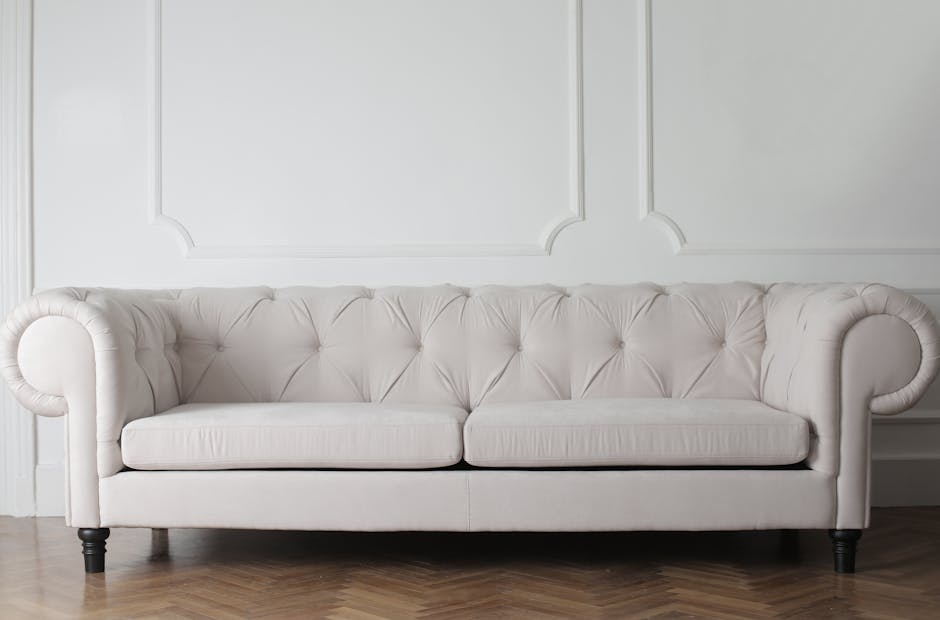
Bushy Park upholstery cleaning tips for Hampton homes
If your sofa has picked up a tea mark, the armchair near the window feels a bit tired, or the dining chairs no longer look as fresh as they once did, you are in the right place. These Bushy Park upholstery cleaning tips for Hampton homes are written for everyday households that want better results without wrecking delicate fabrics. The good news? With the right approach, most upholstery can be kept cleaner, brighter, and far more comfortable for longer. And no, you do not need to start scrubbing like you are sanding a floor.
In homes around Bushy Park and wider Hampton, upholstery tends to deal with a mix of park-side dust, pet hair, damp shoes, family life, and the odd spill that seems to arrive out of nowhere. This guide explains how upholstery cleaning works, what helps, what causes damage, and when it makes sense to bring in professional help such as professional upholstery cleaning. You will also find practical steps, a comparison table, a checklist, and a few judgement calls that really matter in real homes.
Table of Contents
- Why Bushy Park upholstery cleaning tips for Hampton homes Matters
- How Bushy Park upholstery cleaning tips for Hampton homes Works
- Key Benefits and Practical Advantages
- Who This Is For and When It Makes Sense
- Step-by-Step Guidance
- Expert Tips for Better Results
- Common Mistakes to Avoid
- Tools, Resources and Recommendations
- Law, Compliance, Standards, or Best Practice
- Options, Methods, or Comparison Table
- Case Study or Real-World Example
- Practical Checklist
- Conclusion
- Frequently Asked Questions
Why Bushy Park upholstery cleaning tips for Hampton homes Matters
Upholstery is one of those things people stop noticing until it starts looking dull. Then suddenly every mark feels louder than it should. A pale sofa shows coffee rings. A velvet chair flattens in the same seat. A family armchair starts smelling faintly of dog, wet coats, or yesterday's dinner. That is life, really. But regular care changes the picture a lot.
Bushy Park and Hampton homes often see a mix of traffic from children, guests, pets, and people coming in from the garden or the park. That means upholstery collects more than surface dust. It traps skin oils, food residue, airborne grime, and moisture. Left too long, that build-up can make fabrics look older than they are and may shorten the life of the filling underneath. The point is not to chase perfection. The point is to keep furniture sound, hygienic, and comfortable enough that it still feels like part of the home rather than a problem to hide.
There is also a practical side. Clean upholstery can make a room look brighter without replacing a single item. A tidy sofa, a fresh footstool, or clean dining chairs can change the whole feel of a living room. In a house where space matters, that is a genuine win.
Expert summary: The best upholstery care is usually light, regular, and fabric-aware. Treat small marks early, vacuum often, and avoid using too much water. Most damage happens not from the stain itself, but from rushed cleaning.
How Bushy Park upholstery cleaning tips for Hampton homes Works
At a simple level, upholstery cleaning works by lifting soil from the fibres without saturating the fabric or pushing the stain deeper. Different fabrics behave differently, and that is where people get caught out. A cotton blend, a synthetic weave, a wool mix, and a delicate velvet can all need slightly different handling. One method fits one fabric. Not all of them. Annoying, but true.
For most sofas and chairs, the process usually starts with identification: what is the fabric, what type of stain is it, and how long has it been there? From there, the cleaning approach may involve vacuuming, gentle dry soil removal, spot treatment, controlled moisture, and careful drying. Deep cleaning methods can include hot water extraction or low-moisture cleaning, depending on the material and construction. Some items respond well to a professional service linked with other treatments such as sofa cleaning or stain removal, especially when marks have settled in.
For Hampton homes, timing matters too. A damp week with closed windows makes drying slower. A warm day with good airflow helps. If you clean in the evening and the room stays shut up overnight, that can be a bit of a mistake. Let the fabric breathe.
Professional cleaners usually work by testing a hidden area first, choosing a method suited to the textile, and controlling the amount of solution used. That is often what separates an okay result from a really good one. The job is not just to make it look better for an hour. It is to do that without causing rings, shrinkage, or texture change.
Key Benefits and Practical Advantages
Clean upholstery offers more than visual appeal. In a lived-in Hampton home, the benefits are practical and immediate.
- Better appearance: Colours look fresher and textures look less tired, especially on light-coloured seating.
- Improved comfort: Clean fabric feels better to sit on, plain and simple.
- Odour reduction: Regular care helps reduce the stale smell that can build up in soft furnishings.
- Longer furniture life: Removing grit and oils helps reduce fibre wear.
- Better hygiene: Upholstery can trap allergens, dust, and everyday debris.
- Smarter budgeting: Maintaining furniture is usually cheaper than replacing it too soon.
There is a little hidden benefit too: upkeep stops small issues becoming awkward ones. A tiny spill can become a watermark. A surface mark can turn into a set stain. A faint smell can settle into the foam. Once that happens, cleaning becomes more difficult and often more expensive. So yes, regular care is not glamorous, but it is quietly effective.
For households that already maintain carpet and fabric care, upholstery sits neatly alongside services like carpet cleaning and rug cleaning. When the soft furnishings all receive attention together, the room just works better.
Who This Is For and When It Makes Sense
This guide suits Hampton homeowners, tenants, landlords, and anyone trying to keep a family home presentable without turning cleaning into a second job. It is especially useful if your home has:
- children who snack on the sofa, as children tend to do
- pets that love the best chair in the room
- light-coloured upholstery that shows marks quickly
- older furniture you want to keep rather than replace
- visitors coming often, including family, friends, or the occasional last-minute guest
- fabric pieces that smell a bit musty after winter
It also makes sense if you are deciding whether to tackle the job yourself or book help. Some small marks are manageable with patience. Others are not. If the stain is widespread, if the fabric is delicate, or if you can already see a ring left by previous cleaning, that is usually the moment to slow down and think.
Truth be told, there are times when a careful homeowner can do a decent job. There are also times when a "quick clean" makes things worse. The second category is more common than people admit.
Step-by-Step Guidance
Use this as a safe, practical routine for day-to-day upholstery care. It is not fancy, but it works.
- Check the care label first. Look for cleaning codes or fabric instructions. If the label says the fabric needs specialist treatment, take that seriously.
- Vacuum thoroughly. Use an upholstery attachment and clean seams, creases, buttons, and under cushions. Dust and grit are abrasive; they grind into the fibres over time.
- Test any cleaner in a hidden spot. Wait for the area to dry fully before judging the result. Some problems only show up after the fabric settles.
- Blot, do not rub. A clean white cloth is usually better than a colourful towel that might transfer dye. Press gently and work from the outside of the mark inwards.
- Use the smallest sensible amount of product. Too much liquid creates rings, wicking, and long drying times.
- Treat the stain according to its type. Food, drink, grease, mud, and pet accidents all behave differently. One cleaner for everything is not always the answer.
- Dry the area well. Open windows if the weather allows, use airflow, and avoid sitting on the fabric until it is fully dry.
- Brush or groom pile fabrics. If the textile is suitable, restoring the nap can improve appearance once dry.
If the item is large, heavily used, or valuable, a deeper clean may be wiser than repeated patch treatment. That is where professional upholstery care comes into its own, especially when paired with steam carpet cleaning for the rest of the room.
Expert Tips for Better Results
Good results usually come from small habits, not dramatic efforts.
1. Act early, even if the stain looks tiny
Fresh marks are far easier to lift than set-in ones. If something spills, deal with it promptly. Even a five-minute delay can change how far the liquid spreads.
2. Use white cloths rather than patterned towels
This sounds overly fussy until you have a towel dye transfer on a cream armrest. Then it feels less fussy and more wise.
3. Be careful with heat
Heat can help with certain stains, but it can also fix protein-based or greasy soils into the fabric. If you are unsure, stay cooler and gentler.
4. Don't overwet the cushion
Foam padding can hold water for a long time. That can lead to slow drying, musty smells, and sometimes a nasty surprise underneath the cover. Not ideal. Not at all.
5. Clean from the least dirty area to the most dirty area
This keeps soil from being spread across the whole cushion or panel.
6. Keep air moving after cleaning
A window open for a few hours can make a real difference, especially in cooler months. If you have ever walked into a room the next morning and caught that slightly damp fabric smell, you will know why this matters.
In homes with pets, it is often worth considering specialist treatment for smells and marks, particularly through pet stain and odour removal. Pet accidents are one of those things people try to hide first and clean second, but the second part should come quickly.
Common Mistakes to Avoid
Most upholstery damage comes from a handful of avoidable mistakes. Nothing dramatic, just the sort of thing that happens when someone wants the job done fast.
- Rubbing hard: This pushes the stain deeper and can roughen the fabric surface.
- Using too much water: More liquid is not more cleaning. It is often more risk.
- Ignoring the care label: A fabric code is there for a reason, even if it looks boring.
- Using the wrong product: Bleach, harsh detergents, and multi-surface cleaners can damage upholstery.
- Skipping a test patch: This is where many problems begin.
- Forgetting the filling: The surface may look fine while the cushion underneath stays damp.
- Leaving stains until "later": Later usually means harder, pricier, and more stubborn.
One of the biggest hidden mistakes is trying to make upholstery look dry too quickly with heavy heat or direct sunlight. That can distort fibres and leave visible lines. Better to let it dry naturally, with patience. I know, patience is not thrilling, but it saves a lot of grief.
Tools, Resources and Recommendations
You do not need a van full of kit to keep upholstery in good shape. A few sensible items go a long way.
- Upholstery vacuum attachment: Essential for routine dust removal.
- Soft-bristled brush: Useful for loosening dry soil and refreshing fibres gently.
- Microfibre cloths: Handy for blotting and controlled spot cleaning.
- White absorbent towels: Best for pressing moisture out without dye transfer.
- Fabric-safe spot cleaner: Choose one that suits the textile and stain type.
- Fan or airflow: Helpful for drying without overheating the material.
If you are unsure where to start, it is often useful to compare spot treatment with full professional cleaning. For some homes, a one-off deep clean makes more sense than buying products that may never be used again. You can also explore related fabric care services such as curtain cleaning and mattress cleaning if you are planning a wider refresh of the home.
And if you want to understand the service side better, the company's pages on pricing and quotes and about us are useful starting points for checking how the work is approached and what to expect. That is often what people want first, before they even ask about the stain itself.
Law, Compliance, Standards, or Best Practice
Upholstery cleaning is not usually a heavily regulated household task, but good practice still matters. In the UK, reputable cleaners should work safely, use appropriate chemicals, and avoid creating risks for occupants, pets, or the fabric itself. If you hire a professional, it is sensible to look for clear communication about methods, insurance, and safety practices. You can review details such as health and safety policy and insurance and safety when choosing a provider.
Best practice also means respecting manufacturer care instructions. Some textiles need dry methods only. Some need low moisture. Some may be unsuitable for aggressive scrubbing or strong detergents. That is not just industry caution; it is the difference between cleaning and damaging. A careful cleaner will explain the limits rather than overpromising. Honest advice is part of good service, simple as that.
If chemicals are involved, it is also sensible to keep rooms ventilated and to store products properly away from children. For households with sensitivities, mild products and controlled use are usually the better route. No drama, just common sense.
Options, Methods, or Comparison Table
Different upholstery situations call for different methods. Here is a simple comparison to help you choose.
| Method | Best for | Strengths | Watch-outs |
|---|---|---|---|
| Vacuuming and light spot care | Routine maintenance and fresh marks | Fast, inexpensive, low risk | Won't remove deep soil or embedded odours |
| Low-moisture cleaning | Delicate fabrics and regular refreshes | Shorter drying time, less saturation | May be less effective on heavy staining |
| Hot water extraction | Heavily used fabric furniture and deeper dirt | Can lift more embedded soil | Not suitable for all fabrics; drying time matters |
| Specialist stain treatment | Tough spots such as food, drink, or pet accidents | Targeted and efficient when done correctly | Needs correct stain identification |
If you are comparing options, think about the age of the furniture, the fabric type, and how much wear it gets. A formal dining chair that sees guests twice a week is different from a family sofa that handles sports, snacks, and sleepy Sunday afternoons. Not every chair needs the same treatment. Obvious, maybe, but easy to forget.
Case Study or Real-World Example
Take a typical Hampton living room: one three-seater sofa, two armchairs, a dog that likes the bay window, and a child who somehow finds every spillable drink in the house. The sofa looks fine from across the room, but up close there is a dull patch on one arm, a soft odour after rainy walks, and a faint mark near the seat cushion. Nothing shocking. Just everyday wear.
The sensible approach begins with vacuuming, then a gentle test on a hidden seam. The stain is blotted, not rubbed. The cushion is not drenched. Airflow is introduced with a window open during the day, and the fabric is left alone to dry properly. In this kind of home, if the odour sits deep in the fibres or the mark keeps reappearing after drying, a professional treatment becomes more useful than another round of guesswork.
That is often how it goes, to be fair. The first attempt is about control. The second attempt is about realising the first one nearly worked. The third attempt is usually when people decide to call a professional, which is perfectly reasonable.
Practical Checklist
- Check the care label before using any product.
- Vacuum seams, creases, and under cushions.
- Blot spills immediately with a clean white cloth.
- Test any cleaning product in a hidden spot.
- Use as little moisture as possible.
- Let the fabric dry fully before using it again.
- Brush pile fabrics gently if appropriate.
- Deal with pet stains and odours promptly.
- Do not mix cleaning chemicals.
- Book professional help if the fabric is delicate, the stain is large, or the smell will not shift.
Quick takeaway: The safest route is usually slow, fabric-aware cleaning with controlled moisture and good airflow. That combination prevents a lot of avoidable damage and gives you a far better chance of keeping upholstery looking smart for years.
For homeowners who prefer a fully managed approach, it can be worth looking at the broader service range, including terms and conditions and payment and security, before booking. Clear service details tend to make the whole process much easier.
Conclusion
Upholstery cleaning does not need to be complicated, but it does need care. The homes around Bushy Park and Hampton benefit most from simple habits: vacuum regularly, treat spills quickly, choose the right method for the fabric, and do not rush drying. Once you get those basics right, furniture tends to stay looking better for longer, and the room feels calmer for it.
The real goal is not pristine furniture that nobody dares sit on. It is clean, comfortable seating that suits everyday life and still looks good when friends come round. That is a much better standard, honestly.
Get a free quote today and see how much you can save.
If you are ready to take the next step, a trusted local specialist can help with stubborn marks, odours, and deeper cleaning needs while keeping the fabric type and care instructions front and centre.
Frequently Asked Questions
How often should upholstery be cleaned in a Hampton home?
Light vacuuming should be done weekly if possible, especially on family sofas and chairs. A deeper clean is often useful every 12 to 18 months, but heavy-use furniture, pets, and light fabrics may need attention sooner. The real answer depends on use, not the calendar alone.
Can I clean upholstery with washing-up liquid?
Sometimes people do, but it is not always the best option. Washing-up liquid can leave residue or create excess foam if used incorrectly. A fabric-safe cleaner is usually safer, especially for delicate or marked upholstery. Test first either way.
What is the safest way to remove a fresh spill?
Blot immediately with a clean white cloth, working from the outside of the spill inward. Do not rub. Then use a suitable fabric-safe cleaner if the care label allows it. The aim is to stop the liquid spreading deeper into the fibres and padding.
Why does upholstery sometimes dry with a ring mark?
Ring marks often appear when too much liquid is used or when moisture is pulled outward as the fabric dries. Controlled cleaning, minimal moisture, and even drying help prevent that. It is one of the most common signs that the job was rushed a bit.
Is steam cleaning safe for all upholstery?
No, not for all upholstery. Some fabrics handle steam well, while others can shrink, distort, or water-mark. Always check the care label first. If in doubt, low-moisture or specialist cleaning may be the better route.
How do I get pet smells out of a sofa?
Pet odours usually need more than surface cleaning. Vacuum thoroughly, treat any accident stains properly, and allow full drying with airflow. For persistent smells, a specialist treatment such as pet stain and odour removal is often the most sensible next step.
Can I use a carpet cleaner on upholstery?
Sometimes, but only if the machine and attachment are suitable for upholstery and the fabric care instructions allow it. Too much water or the wrong attachment can damage fabric or filling. A carpet tool is not automatically an upholstery tool, despite how tempting that assumption is.
What fabrics are hardest to clean?
Delicate fibres, textured weaves, velvet, silk blends, and some natural fabrics can be harder to clean safely. They may need low-moisture methods, specialist products, or professional treatment. When a label says specialist care, that is usually not a suggestion.
Should I clean sofa cushions in place or remove them?
If cushions are removable, take them off where the design allows and clean them separately. That usually gives better access and more even drying. Just keep track of the way they were arranged so the sofa goes back together properly.
How long should upholstery take to dry?
Drying time depends on fabric, method, ventilation, and the amount of moisture used. Light spot cleaning can dry fairly quickly, while deeper cleaning may take longer. Good airflow helps a lot. If the fabric still feels damp long after cleaning, it may have been overwet.
When should I book professional upholstery cleaning instead of doing it myself?
Book professional help if the stain is old, the fabric is delicate, the odour is persistent, or the furniture is valuable and you do not want to risk it. Professional cleaning is also sensible when you want a fuller refresh for the room, not just a spot fix.
Do cleaning companies need to be insured?
It is sensible to choose a cleaner that carries appropriate insurance and works with clear safety procedures. That does not guarantee perfect results, but it does show a more professional approach. For peace of mind, review the company's insurance and safety information before booking.